
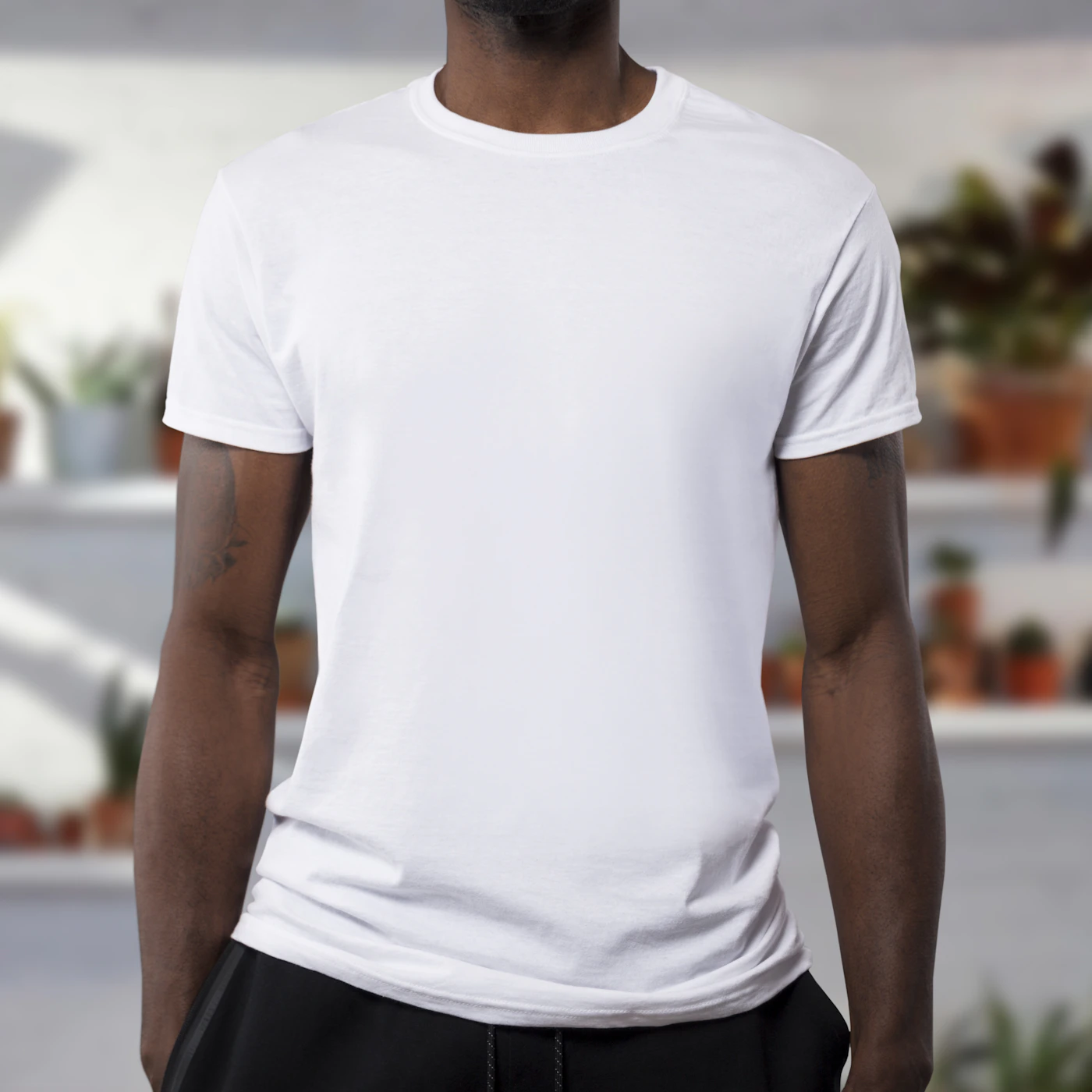
Product photos can make almost any garment look impressive. Quality becomes easier to judge when you know what to inspect and which claims deserve a closer look. You do not need specialist equipment: a few minutes with the item, its measurements and its care label can tell you a lot.
Read the fibre composition carefully
The composition label tells you what the garment is made from, but it does not tell the whole story. Cotton, wool, linen, viscose, polyester and blends each have strengths and limitations. Consider breathability, warmth, drape, durability and how much maintenance you are comfortable with.
Be cautious of vague phrases such as premium fabric or luxury quality when no useful details are provided. A credible product description should give the material composition and enough information to understand the construction.
Check stitching and construction
Look at the seams from both sides. Stitches should be consistent and the panels should sit flat. Gently pull a seam to see whether it opens excessively. Inspect hems, pockets, buttonholes and zip attachments because these areas often receive extra stress.
Patterns should line up reasonably at prominent joins when the design makes that possible. A little variation is not always a defect, especially in handmade or textured garments, but sloppy finishing across several areas is a warning sign.
Pay attention to shape and recovery
A garment should hang naturally and keep its intended shape. Stretch a cuff or waistband gently and see whether it returns. Check whether a collar sits evenly and whether the fabric twists or puckers around seams.
Sizing charts are more useful than generic size labels. Compare actual garment measurements with clothing you already own. Read the returns policy before ordering from an unfamiliar seller, especially when sizing is uncertain.
Treat claims as claims until they are supported
Words such as organic, recycled, ethically made and sustainable can describe meaningful standards, but look for the exact certification, material percentage or supply-chain information behind them. A green leaf graphic is not evidence by itself.
Finally, check the care instructions. A delicate garment that requires specialist cleaning may be a poor fit for your daily routine. Quality is not only how a piece looks on day one; it is how well it suits your use over time.
Read fibre claims with a little context
A label listing 100% cotton, wool, linen or a synthetic blend tells you the fibre content, not the grade of the fibre or the quality of the finished garment. Natural fibres are not automatically superior, and synthetic fibres are not automatically poor. A well-designed blend can improve durability, stretch or drying time; a poorly finished natural-fibre garment can still wear badly.
Be cautious with vague phrases such as eco fabric, sustainable cotton or premium material when no certification, composition or sourcing detail is provided. Ask what the claim means. If the seller cannot explain the material beyond marketing language, treat the claim as a reason to investigate rather than proof of quality.
Inspect seams, shape and finishing
Look along the seam rather than judging one stitch. Consistent stitching, secure seam allowances and neat finishing reduce the chance of early failure. Check that stripes or checks line up where you would reasonably expect them to, that side seams do not twist and that symmetrical parts appear balanced. On knitwear, examine the neckline and cuffs for loose loops or uneven tension.
A garment should hang naturally without unexpected pulling. Lay it flat and compare both sides. Slight irregularities can be normal in some handmade or textured products, but unexplained asymmetry, fraying and loose attachments are different. Buttons should be secure, zips should move smoothly and pockets should be anchored well enough for ordinary use.
Judge online product pages by the information they provide
Useful product pages include a composition label, clear front and back photographs, close-ups of construction, garment measurements, care details and a realistic return policy. Images should show the item from more than one angle. If every image is heavily edited, cropped or repeated across unrelated shops, do more research before ordering.
Search the exact product name or model code outside the seller's own site. Check whether the product exists on the manufacturer's website and whether specifications match. For branded clothing, use the brand's own authenticity guidance where available. A barcode, label photograph or certificate can be copied, so no single online clue should be treated as conclusive.
Separate a fair price from a persuasive story
Compare similar products on composition, construction, fit, warranty or repair options and expected use. A high price may include design, service, small-batch production or a brand premium; it does not prove that the garment will last longer. Equally, a low price is not automatically poor value if the item suits a limited purpose and is made honestly.
A simple comparison note can stop you being swayed by attractive product copy. Record the price, fibre mix, measurements, care requirements and return conditions for two or three options. Then decide which one best fits your needs. If important information is missing, do not fill the gap with assumptions.